Uganda votes to deploy in Gaza: Here is exactly what your MP submitted in the heated debate
The motion, tabled unexpectedly by Defence and Veteran Affairs Minister Kiryowa Kiwanuka, ignited immediate procedural fury from opposition legislators who accused the government of ambushing the House.
By Parliament Watch
In a charged plenary session that laid bare deep institutional tensions, Uganda’s Parliament on Thursday authorised the deployment of Uganda People’s Defence Forces (UPDF) troops to the Gaza Strip.
The decision marks one of the country’s most politically sensitive peace-support commitments in years, extending its military reach far beyond Africa into one of the world’s most combustible conflict zones.
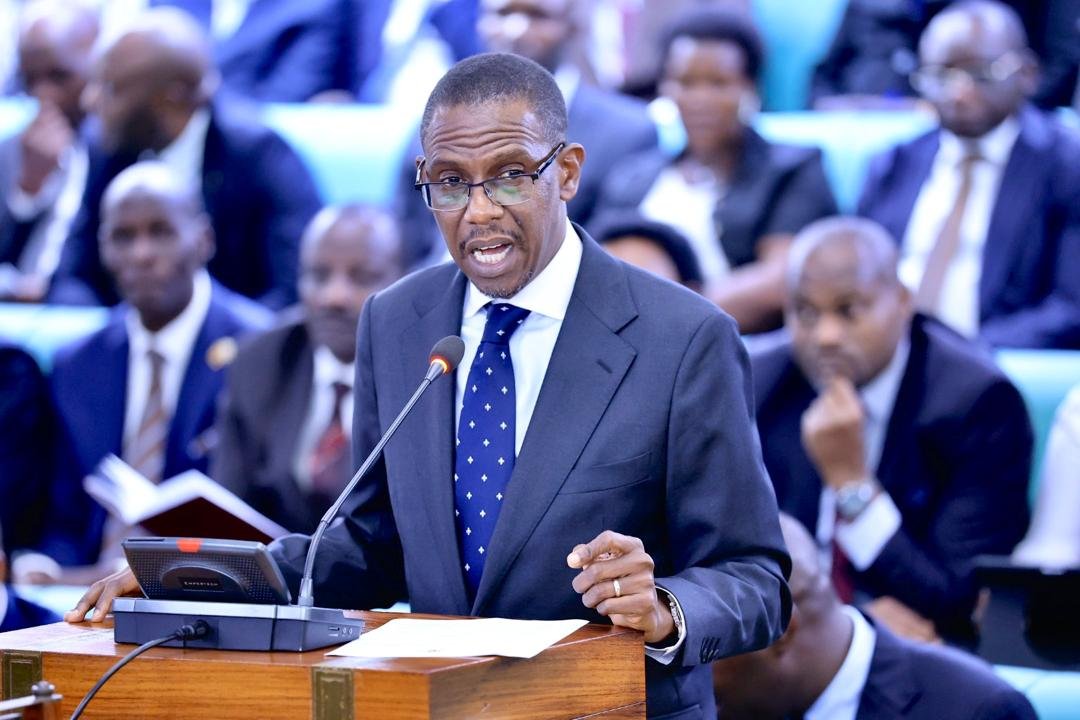
The motion, tabled unexpectedly by Defence and Veteran Affairs Minister Kiryowa Kiwanuka, ignited immediate procedural fury from opposition legislators who accused the government of ambushing the House.
Deputy Speaker Thomas Tayebwa acknowledged that the motion, submitted earlier by the minister, had been left off the day’s Order Paper through an administrative oversight. Yet he ruled that debate must proceed, citing the priority accorded to government business under Parliament’s Rules of Procedure.
“The Minister did his part by submitting the motion in time. The omission was on my side. Parliament’s duty now is to debate and decide, either approve or reject it,” Tayebwa declared.
The legal foundation rests on Section 38 of the Uganda People’s Defence Forces Act, Cap. 330, which empowers the President to deploy troops outside Uganda for peacekeeping or peace-enforcement operations, subject to parliamentary approval for peacekeeping missions.
This statutory provision operationalises Article 210 of the 1995 Constitution, which mandates Parliament to enact laws regulating the UPDF, explicitly including “the deployment of troops outside Uganda.”
Together, these instruments ensure civilian oversight of military expeditions beyond national borders, a safeguard born from Uganda’s turbulent history of military involvement in politics.
Kiwanuka framed the deployment as Uganda’s contribution to an International Stabilisation Force established under United Nations Security Council Resolution 2803 (2025).
That resolution endorsed a U.S.-backed comprehensive plan for Gaza, welcomed the creation of a transitional “Board of Peace” to oversee governance and reconstruction, and authorised a temporary multinational force to support ceasefire implementation, demilitarisation, and civilian protection in the aftermath of the October 7, 2023 Hamas attack on Israel and the ensuing Israeli military campaign.
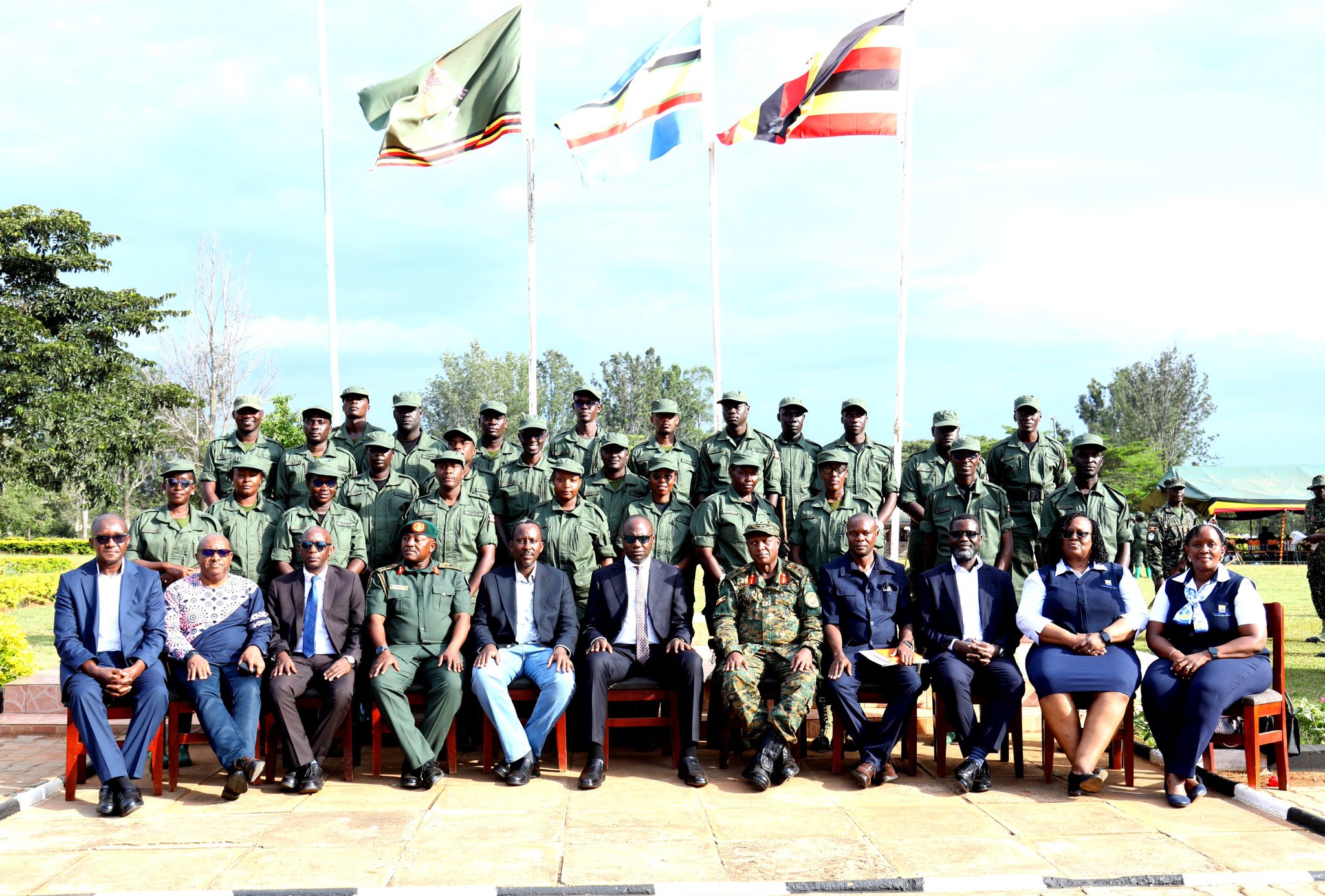
The minister revealed that in July 2026, U.S. President Donald Trump, through emissaries, formally requested President Yoweri Museveni to contribute a UPDF contingent. Planning meetings had already taken place involving senior UPDF commanders, U.S. Embassy officials in Kampala, and representatives of the proposed force.
“Uganda has built a strong professional force that has successfully served in Somalia, South Sudan, the Central African Republic and several United Nations peacekeeping missions. Our participation will support ceasefire implementation, protect civilians, facilitate disarmament and contribute to long-term peace and stability,” Kiwanuka told the House.
He assured legislators that troops would operate under clear rules of engagement, remain politically neutral, and fully comply with international humanitarian law.Few members rejected the principle of peacekeeping.
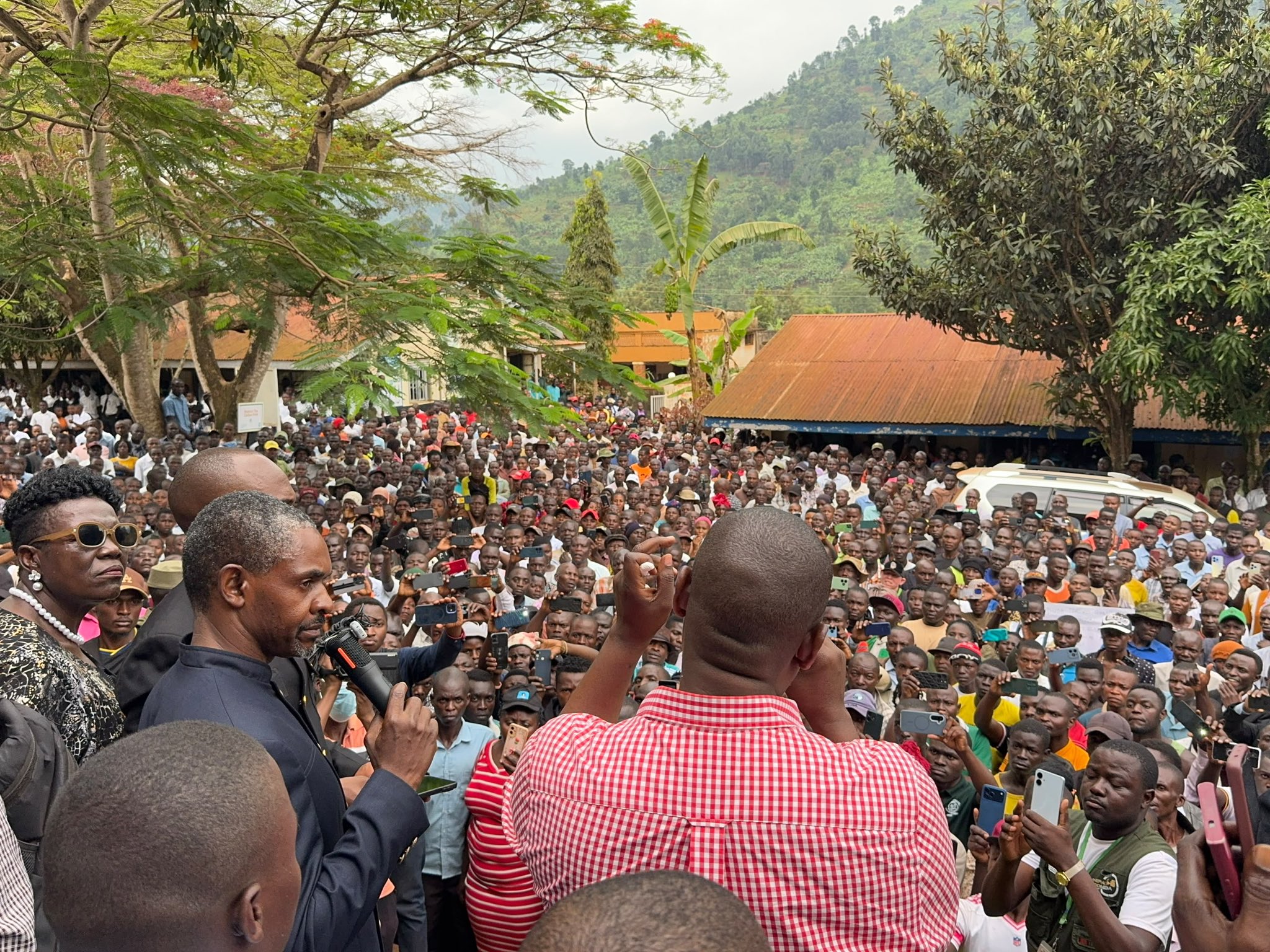
Many, however, questioned the haste of committing Ugandan soldiers to an active war zone where distinguishing combatants from civilians is notoriously difficult.
Opposition Chief Whip Paul Mwiru protested that MPs had received the Order Paper only hours before sitting.
“This is not an ordinary motion. We are committing Ugandan soldiers to an active war zone. Parliament deserves adequate time to consult technical officers, examine previous deployments and fully appreciate the implications before making such a decision,” he argued.
Manjiya County MP John Baptist Nambeshe demanded comprehensive evaluations of ongoing UPDF operations in Somalia, the Democratic Republic of Congo, South Sudan and the Central African Republic before approving another mission.
“This is not like the other theatres. Gaza is an active war zone where distinguishing between combatants and civilians is extremely difficult. Urban warfare and constant attacks make the risks much higher,” he warned.
Kalungu West MP Joseph Ssewungu invoked Parliament’s constitutional duty to protect Ugandan lives. Recalling the death of a soldier shortly after deployment to Somalia, he insisted: “When you are sending our sons and daughters into conflict, Parliament must know why they are going, how they will be protected and what national interest Uganda is pursuing.”
Several MPs called for the motion to be referred to the Committee on Defence and Internal Affairs for detailed scrutiny.Tayebwa rejected both deferral and committee referral. “If the Rules intended such motions to first go before a committee, they would expressly say so. My responsibility is to apply the Rules as they exist,” he ruled.
Government benches pushed back firmly. Health Minister Dr Chris Baryomunsi insisted MPs are elected representatives, not mere delegates: “We routinely respond to urgent national matters. There is no justification for fearing debate.”
UPDF representative Major General Henry Masiko Ndarubweine mounted a vigorous defence of the force’s credentials. “Uganda should be proud that its army is regarded as an anchor of stability in a region of turbulence.
The UPDF is trained to confront threats, protect humanity and restore peace, not to avoid difficult missions,” he said, pointing to Somalia as proof of the army’s ability to succeed where others had faltered.
When the motion was put to a vote without further scrutiny, the majority carried it. Parliament formally authorised President Museveni to deploy a UPDF contingent under Section 38 of the UPDF Act.
The decision places Ugandan soldiers at the sharp end of a fragile post-conflict arrangement in Gaza, under the oversight of a Board of Peace authorised until at least the end of 2027.
It also tests the balance between Uganda’s proud tradition of contributing to international peace and the demand for rigorous parliamentary oversight when the risks are highest and the theatre most unforgiving.
For a nation whose military has long been a regional stabiliser, the Gaza mission represents both recognition and a high-stakes new frontier.