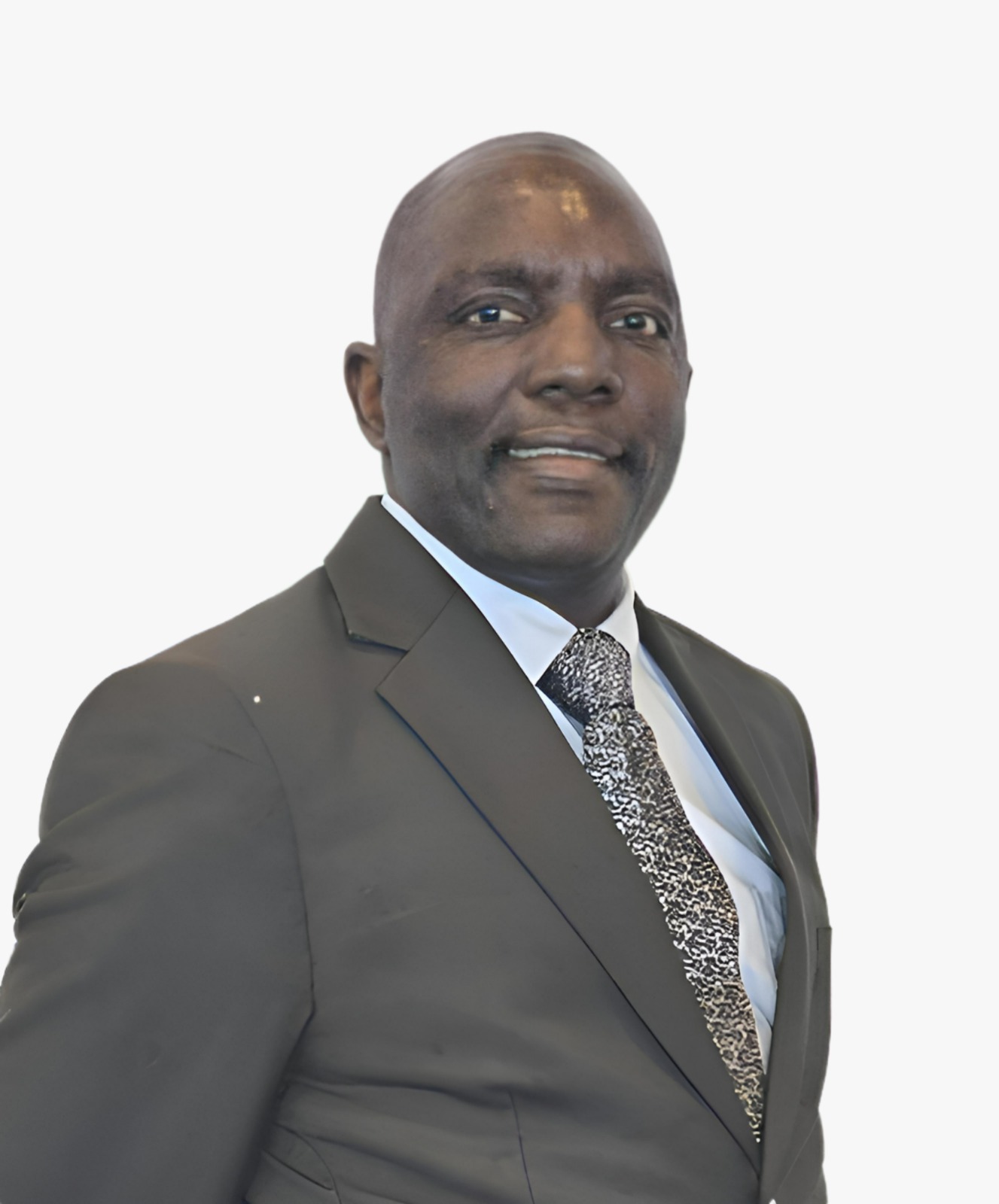
Moses Matovu Obituary: The Afrigo Band maestro who shaped Uganda’s music for five decades murdered at 77
Kampala Metropolitan Police spokesperson Rachael Kawala confirmed that a suspected murder case had been registered at Kabalagala Police Station.
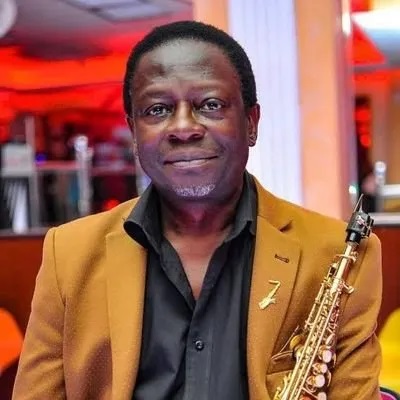
Uganda’s music fraternity is mourning the death of veteran musician, saxophonist and Afrigo Band founder Moses Matovu, who died on Thursday morning, September 24, 2026, after he was allegedly attacked by unknown assailants in Kibuli, Kampala.
Matovu, popularly known as Papa Moi, was 77.
According to police, Matovu was attacked in the early hours of Thursday at Kibuli Market Zone B in Makindye Division. He was rushed to Kibuli Hospital for medical attention but later succumbed to his injuries.
Kampala Metropolitan Police spokesperson Rachael Kawala confirmed that a suspected murder case had been registered at Kabalagala Police Station.
“Police at Kabalagala have registered a case of suspected murder involving Matovu Moses, a musician with Afrigo Band,” Kawala said.
She added that a police task team was at the scene investigating the circumstances surrounding the attack, while efforts were underway to identify and apprehend the suspected assailants.
The circumstances surrounding the attack remained under investigation by police.
A giant of Uganda’s music
Matovu leaves behind a musical legacy spanning nearly six decades and is widely regarded as one of the architects of Uganda’s modern live-band music tradition.
He was among the musicians who founded Afrigo Band in 1975, helping establish what would become one of Uganda’s longest-running and most influential musical ensembles.
Matovu served as the band’s long-time leader, saxophonist, vocalist, composer and mentor to generations of musicians.
His musical journey began long before Afrigo.
Born on June 19, 1949, in Kawempe, Kampala, Matovu developed a passion for music from childhood and sang in the Namirembe Cathedral Choir. He later joined the Thunderbirds Band in 1967 as a vocalist, before moving to the Police Band in 1968 and the Cranes Band in 1969.
It was from this musical background that he and fellow musicians went on to establish Afrigo.
The band developed a distinctive sound blending Congolese rumba, jazz, African rhythms and Ugandan musical traditions, with Luganda featuring prominently in its repertoire.
Over the decades, Afrigo became a cultural institution, performing for generations of Ugandans and maintaining a strong presence even as the country’s music industry underwent dramatic changes.
The man behind Afrigo’s longevity
Matovu’s contribution extended beyond his performances.
He was known for nurturing younger musicians and maintaining discipline within Afrigo, helping the band survive for decades despite changes in musical tastes, technology and the entertainment industry.
In a 2013 profile, New Vision described him as the only surviving member of Afrigo’s original founding group at the time, highlighting the extraordinary longevity of his musical journey.
The band’s endurance became closely associated with Matovu’s leadership and commitment to live music.
His career also reflected Uganda’s broader musical history, from the era of resident bands and nightclubs to the rise of contemporary recorded and digital music.
‘A giant we may never replace’
Local Government Minister and veteran music promoter Balaam Barugahara mourned Matovu as a close friend and described his death as a devastating loss to Uganda’s cultural and music industry.
“I strongly condemn this senseless act of violence,” Barugahara said, adding that Uganda had lost “a true legend whose contribution to our culture and music will remain unforgettable.”
He described Matovu as “a giant of our music industry” whose talent would be difficult to replace.
Barugahara called on security agencies to identify and apprehend those responsible and bring them to justice.
He also sent condolences to Matovu’s family, the Afrigo Band fraternity, friends, colleagues and his many fans.
A musical legacy that will endure
For nearly 50 years, Matovu remained at the centre of Afrigo’s story, from its formation in the 1970s to its emergence as a defining institution in Ugandan popular music.
His saxophone, voice, compositions and leadership helped shape the sound of generations.
His death therefore marks not only the passing of an individual musician but the loss of one of the enduring figures of Uganda’s live-band tradition.
As Uganda mourns Papa Moi, Afrigo Band and the wider music fraternity are left to carry forward a legacy built through decades of music, mentorship, resilience and service to the country’s cultural heritage.