
Government, Uganda Manufacturers Association renew partnership to boost manufacturing-led economic growth
Musasizi said manufacturing remains central to Uganda’s 10-fold economic growth strategy, noting that the sector plays a critical role in increasing production, creating employment opportunities, boosting exports, expanding the tax base, and reducing reliance on external borrowing.
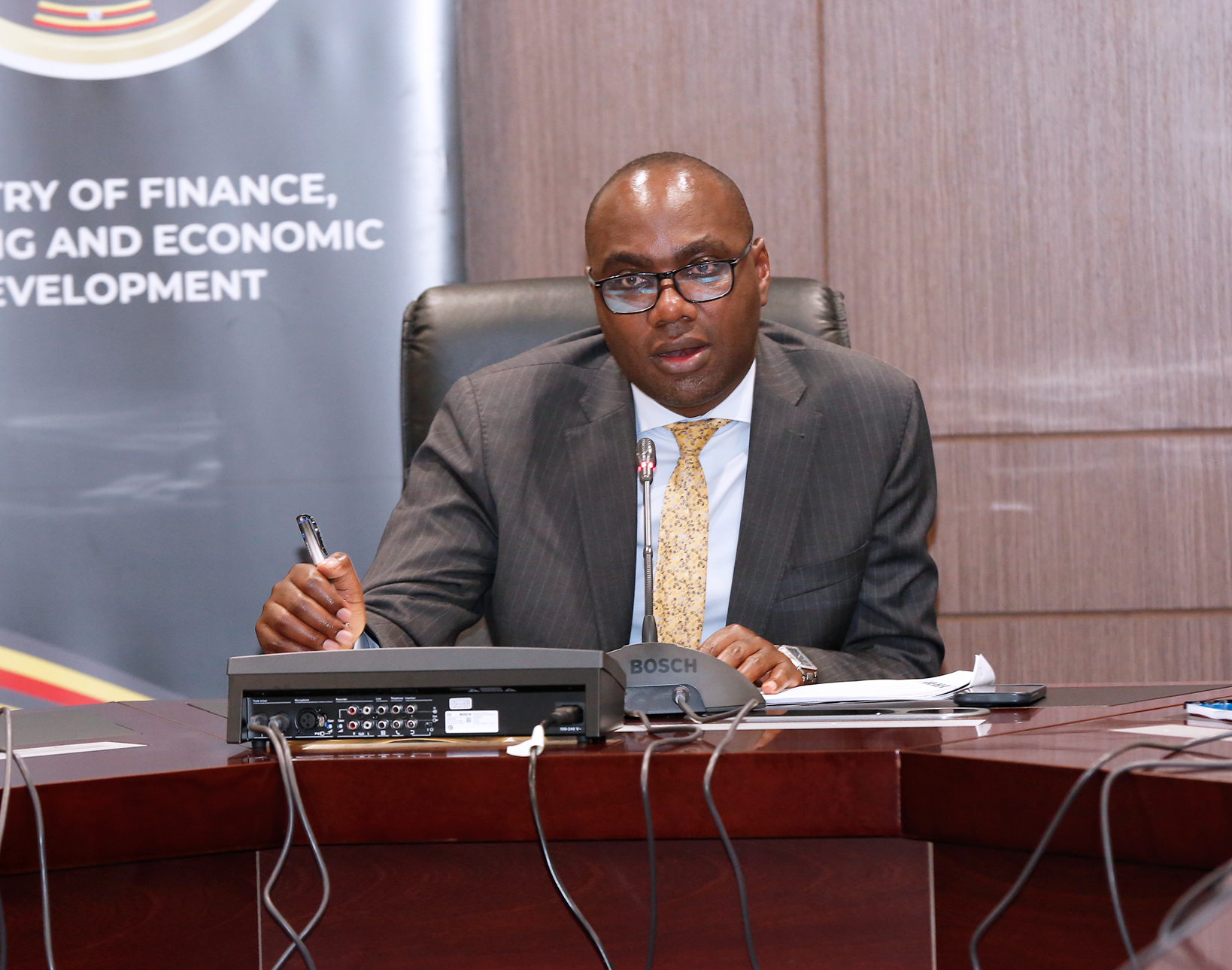
The Government of Uganda and the Uganda Manufacturers Association (UMA) have renewed their commitment to strengthening the manufacturing sector as a key driver of economic transformation, job creation, and export growth.
The Minister of Finance, Planning and Economic Development, Hon. Henry Musasizi, together with Hon. Amos Lugoloobi and Hon. Cissy Mulondo held engagements with UMA leaders, where they reaffirmed the government’s support for a competitive and export-oriented manufacturing industry.
Musasizi said manufacturing remains central to Uganda’s 10-fold economic growth strategy, noting that the sector plays a critical role in increasing production, creating employment opportunities, boosting exports, expanding the tax base, and reducing reliance on external borrowing.
He emphasized that the government will continue investing in an enabling business environment through strengthening peace and security, infrastructure development, supportive policies, market access, and maintaining a stable investment climate.
UMA Chairman Aga Sekalala Junior highlighted the sector’s contribution to Uganda’s economy, noting that manufacturing accounts for more than 16.5 percent of GDP, supports about two million direct jobs, contributes approximately 25 percent of manufactured exports, and generates over 33 percent of domestic tax revenues.
Sekalala described manufacturers as strategic partners in Uganda’s economic transformation and called for stronger collaboration between government and the private sector.
UMA proposed the establishment of a Ministry of Finance–UMA Technical Coordination Committee to improve policy dialogue and ensure manufacturers are consulted early on fiscal, tax, and economic policy decisions.
The association also presented its “Big Five Agenda,” which focuses on addressing challenges affecting industrial growth, including high energy costs, inadequate industrial infrastructure, access to financing, market expansion, skills development, and trade facilitation.
Both sides agreed that a strong public-private partnership is essential for accelerating industrial development, increasing exports, creating jobs, and building a resilient economy.
“When manufacturing grows, Uganda grows; what is good for manufacturing is good for the economy,” the stakeholders affirmed.