Non Communicable Diseases: Why “looking healthy” doesn’t mean you are
A Ugandan epidemiologist’s research into screening gaps shades light on why hundreds of thousands go undiagnosed.

They look healthy. They may feel fine. Yet millions of Ugandans are living with blood pressure that is quietly damaging their hearts and kidneys, blood sugar silently rising towards diabetes and destroying vision, or cholesterol levels setting the stage for a sudden stroke – without knowing it.
As 2026 begins, Uganda’s health sector is confronting a sobering milestone: noncommunicable diseases (NCDs) now account for roughly one-third of all deaths in the country – a sharp rise from just a decade ago. But health experts say the visible deaths represent only part of the crisis. The larger problem is the one we don’t see.
In the weeks since World Diabetes Day in November, health campaigns across Uganda emphasized prevention and treatment. But a harder question remains largely unaddressed: how do we find the hundreds of thousands who don’t know they are sick?
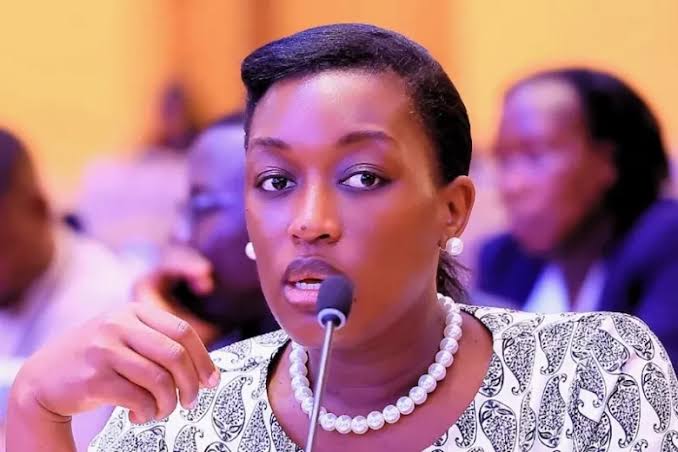
To understand why so many cases go undetected and what can be done to change that in the new year, Charmar News talked to Dr. Kauthrah Ntabadde, an epidemiologist whose research focuses on population cardiometabolic health in African populations.
The most dangerous aspect of the crisis, Dr. Ntabadde says, is its invisibility. “The tragedy is that hundreds of thousands of Ugandans are living with these conditions today without knowing it,” she said. “And by the time they find out, it’s often too late to prevent serious damage.”
The numbers behind the blind spot
Uganda’s 2023 STEPS survey – the country’s most comprehensive national assessment of key NCD risk factors among adults aged 18 to 69 paints a startling picture: many adults have never received even the most basic screening tests at any point in their lives.
- 55.3% reported that they had never had their blood pressure measured.
- 86.7% said they had never had their blood glucose measured
- 97.6% reported they had never had their cholesterol measured.
The consequences show up in what the survey found when it measured people during the assessment. The survey found that 23.5 percent of adults – nearly one in four – had raised blood pressure or were already on treatment for it. Yet among those with raised blood pressure, more than two-thirds (67.9%) had never been previously diagnosed, and only 5.4% (about one in twenty) had their condition controlled at the time of assessment.
A similar pattern is seen with blood sugar; 48% are unaware that they are living with diabetes. Put differently, about half of adults with raised blood sugar were only discovered because the survey tested them.
For Dr. Ntabadde, these figures underscore a set of challenges, highlighting that access to health services, while critical, is only part of the picture. Who gets tested, when they get tested, and sometimes what test is used can still determine who gets diagnosed early – and who collapses into care after a stroke of kidney failure.
Who gets missed – and why?
Uganda’s health system is stretched thin, and screening everyone – every year – simply isn’t realistic. The Ministry of Health has documented very low doctor density (about 1 doctor per 25,000 patients), underscoring how limited clinic time can be.
So many screening programs narrow their focus to those considered “highest risk” – often people who are older, heavier, or visibly unwell.
Diabetes is still widely associated with “excess”, creating an illusion that thinness equals safety. As a result, many lean people do not seek screening.
“Diabetes is not a single uniform disease,” Dr. Ntabadde said. “It develops through different pathways and can present in different ways. We are seeing a growing number of people with diabetes who are lean or non-obese, yet many of our approaches to finding them are still based on assumptions that no longer match reality. That creates a massive blind spot.”
Global science is now catching up to what many clinicians across Africa have been noticing: diabetes today does not always follow familiar patterns. Early last year, the International Diabetes Federation formally recognized Type 5 diabetes (malnutrition-related diabetes) as a distinct form linked to chronic undernutrition and disproportionately affecting lean young adults in low- and middle-income countries.
That recognition doesn’t mean most diabetes in Uganda is Type 5. But it does reinforce the broader point that Dr. Ntabadde has emphasized: body size alone is not a reliable gatekeeper for testing.
Another challenge lies in the performance of the tests themselves. Many of the tools used to screen for diabetes do not perform equally across individuals or populations. One commonly used test, HbA1c, estimates average blood sugar levels over time and is often favored because it does not require fasting. But because it relies on blood characteristics, its accuracy can be affected by anemia and other blood disorders – conditions that are widespread in Uganda. The implication is not that HbA1c has no role, Dr. Ntabadde cautioned, but that a one-size-fits-all approach to diagnosis may quietly miss people, particularly in settings where confirmatory testing is uncommon.
The most reliable diagnostic tool, the oral glucose tolerance test (OGTT), is far less familiar to most Ugandans. The test is logistically demanding, requires fasting and multiple blood draws over two hours, and is therefore rarely used outside of pregnancy care. As a result, many people are never assessed using the gold-standard test.
Recognizing these challenges, researchers have been working to improve diabetes detection. The International Diabetes Federation has backed a shift toward a simplified one-hour post-load glucose test, proposed as a more practical alternative to the traditional two-hour OGTT. The approach aims to simplify detection and reach more people, with a recommended diabetes cut point of 11.6 mmol/L.
But findings from a 2024 study co-authored by Dr. Ntabadde suggest that the solution may not be so straightforward. In the first study to evaluate the proposed one-hour glucose threshold in an African population, the researchers found that while the recommended one-hour test performed reasonably well among individuals with obesity, it missed a substantial proportion of diabetes cases among people without obesity. In lean participants, sensitivity dropped to 58 percent, meaning many cases would go undetected.
The findings highlight a troubling paradox: efforts to simplify diabetes detection may inadvertently widen diagnostic gaps. The faster test was most likely to miss precisely the group already least likely to be screenedand the very group that is increasingly affected by diabetes in Africa, including Uganda.
“Late diagnosis doesn’t happen by accident,” Dr. Ntabadde said. “It reflects a series of gaps along the way – limited awareness that keeps people from seeking care even when they feel well, missed screening opportunities, and limitations of some of the tests we rely on.”
The cost of waiting
When diagnosis comes late, the price is paid twice: first in organ damage, then in money.
Late testing turns manageable conditions into medical crises – dialysis after kidney failure, lifelong disability after stroke, costly emergency care and interventions after heart disease. It also drains households through transport, prolonged hospitalization, repeated clinic visits, long medication lists – often in a system where continuity of care can be disrupted by distance, stock-outs, and out-of-pocket costs.
And the STEPS numbers show how much opportunity exists before complications as 97.6% of adults have never had cholesterol checked and over half have never had blood pressure measured. Prevention doesn’t fall in hospitals; it fails long before people reach them.
From research to action
Uganda is not standing still. Health leaders increasingly recognize that the next major health gains will come from earlier diagnosis and more consistent follow-up of NCDs, not just better treatment after complications once complications have already developed.
A major milestone came last year with the launch of Uganda’s National Diabetes Management guidelines, a significant step towards standardizing care and supporting earlier detection. The Ministry of Health, working with partners including the Uganda Diabetes Association, is expanding screening capacity in primary care settings, training healthcare providers, and integrating NCD services into routine health encounters.
“Diabetes, high blood pressure, abnormal cholesterol – these conditions don’t wait for symptoms,” Dr. Ntabadde said. “But too often, we wait until we feel sick. And by then, we’ve already waited too long.”
As 2026 unfolds and many Ugandans commit to health resolutions – better diets, more exercise, Dr. Ntabadde offers a simple but potentially life-saving addition to that list: know your numbers. Understanding your baseline blood pressure, blood glucose, and cholesterol levels can reveal risk early, often at a stage when timely action can change – or even reverse the course of disease.
“Looking healthy may not equal being healthy,” she said. “That’s the lesson we need people to internalize.”
For the health system, the lesson is equally clear: screening strategies must evolve to match the disease patterns actually occurring – not how it is assumed to present. The tools and knowledge exist. What is needed now is the commitment to apply them differently.