Uganda’s $10 billion oil industry seeks tax certainty ahead of first oil
Uganda’s petroleum industry has attracted significant capital over the past decade, with an estimated $9.96 billion invested in the sector by the end of 2024.
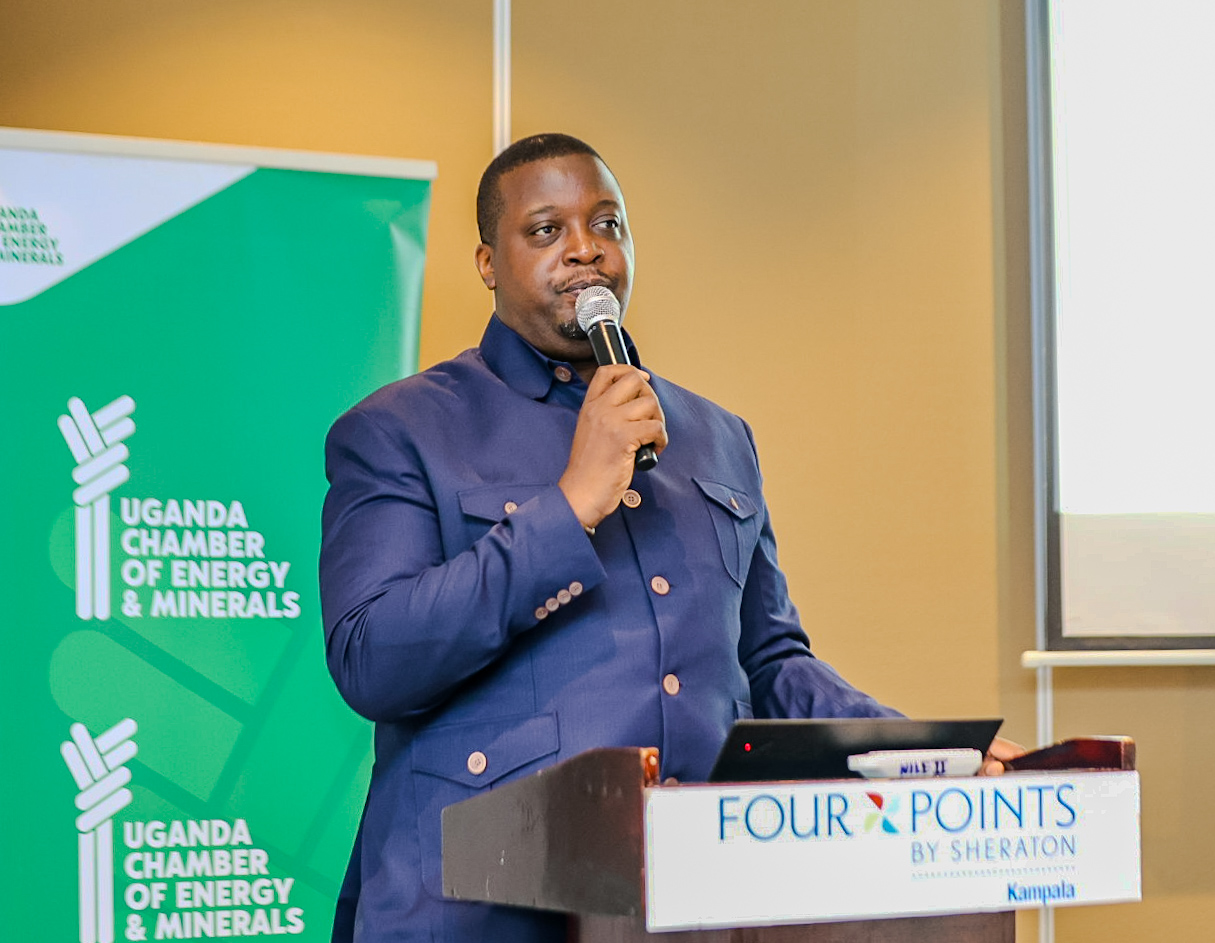
Government officials, industry leaders, and fiscal policy experts gathered in Kampala for the 2026 Oil and Gas Sector Tax Dialogue, a high-level forum convened by the Uganda Chamber of Energy and Minerals to address tax policy challenges facing the country’s rapidly expanding petroleum sector.
Held at Four Points by Sheraton Kampala, the dialogue brought together key stakeholders to examine how fiscal frameworks can be aligned to support the transition from exploration and development to full-scale production.
The meeting was organised under the theme “Fiscal Alignment for First Oil: Resolving Liquidity and Administrative Friction,” reflecting growing recognition that predictable tax policy will be critical to sustaining investor confidence in Uganda’s oil and gas sector.
A $10 Billion Investment Landscape
Uganda’s petroleum industry has attracted significant capital over the past decade, with an estimated $9.96 billion invested in the sector by the end of 2024. As the country moves closer to its long-anticipated first commercial oil production, policymakers and industry players say fiscal clarity will be essential in protecting the viability of ongoing projects.
According to the Petroleum Authority of Uganda, the country’s oil sector continues to record strong technical progress. Uganda has so far registered 21 oil discoveries, drilled 335 wells, and achieved an 88% drilling success rate, highlighting the scale of development activity underway.
At the same time, critical infrastructure projects are advancing, including the East African Crude Oil Pipeline, which has reached 80.7% completion.
Building a Predictable Fiscal Environment
Speaking during the dialogue, Humphrey Asiimwe emphasized the importance of creating a stable and predictable tax regime as the sector enters its production phase.
“Uganda’s energy sector is scaling up rapidly. Our focus at UCEM now is creating a predictable tax environment that supports companies as operations expand into full production,” Asiimwe said.
He noted that while the industry is preparing for first oil, attention must also shift to the long-term sustainability of Uganda’s energy ecosystem.
“At UCEM, we are not only preparing for First Oil, but we are planning for what comes after production begins,” he explained. “We are championing an industry shift toward exploring service externalisation opportunities, including partnerships across Africa, such as Namibia, so that Ugandan companies can continue growing beyond the current project construction phase.”
Balancing Government Revenue and Investment
Uganda’s fiscal framework for the petroleum sector is built around Production Sharing Agreements (PSAs) that ensure a substantial share of revenue flows to the government while maintaining incentives that keep the sector attractive to investors.
According to Peninah Aheebwa, the country’s fiscal model has been designed to balance national benefit with long-term investment sustainability.
“Uganda’s oil and gas fiscal strategy balances a high government-take PSA model with targeted incentives to ensure sustained investment,” she said.
Aheebwa also highlighted the broader economic potential of the sector as production approaches.
“The oil and gas sector in Uganda is continuing to grow, with oil production planned to commence in 2026. The sector has the potential to significantly contribute to the country’s development through revenue generation, employment, business growth, skills and capacity development, and technology transfer.”
Addressing Technical Tax Frictions
Beyond macro-level fiscal policy, the dialogue also examined several technical tax issues affecting project economics. These included tax implications under Production Sharing Agreements, withholding tax rules in international contracting, and administrative procedures that may create liquidity constraints for companies operating in the sector.
Industry experts stressed that resolving such technical friction points is essential for maintaining efficiency across large-scale energy projects that involve complex international supply chains.
For instance, Allan Mugisha Barekye highlighted provisions under the intergovernmental agreement governing the East African Crude Oil Pipeline.
“Under the Intergovernmental Agreement on the East African Crude Oil Pipeline, no withholding tax shall be imposed on the import of goods provided for the direct and exclusive use of the EACOP project,” he explained.
Positioning Uganda’s Energy Future
Founded in 2010, the Uganda Chamber of Energy and Minerals serves as a leading membership platform for companies operating in Uganda’s oil, petroleum, mineral, and energy sectors. The organisation advocates for policies that promote investment, industry growth, and sustainable resource development.
With first oil now within reach, stakeholders say forums such as the Oil and Gas Sector Tax Dialogue are becoming increasingly important in ensuring that Uganda’s fiscal and regulatory systems evolve in tandem with the industry’s rapid growth.
For Uganda, the stakes are high. The transition from exploration to production will not only test the resilience of the country’s fiscal framework but will also determine how effectively its natural resources translate into long-term economic transformation.