Estonian investors to produce organic soil conditioners
SHIPU reaffirmed its commitment to coordinating relevant stakeholders to create a secure and supportive investment climate in Uganda.
Uganda has held discussions with Estonian investors over a proposed investment in the production of organic soil conditioners using sapropel, an organic-rich sediment found in lakes, in a move aimed at improving soil fertility and supporting sustainable agriculture.
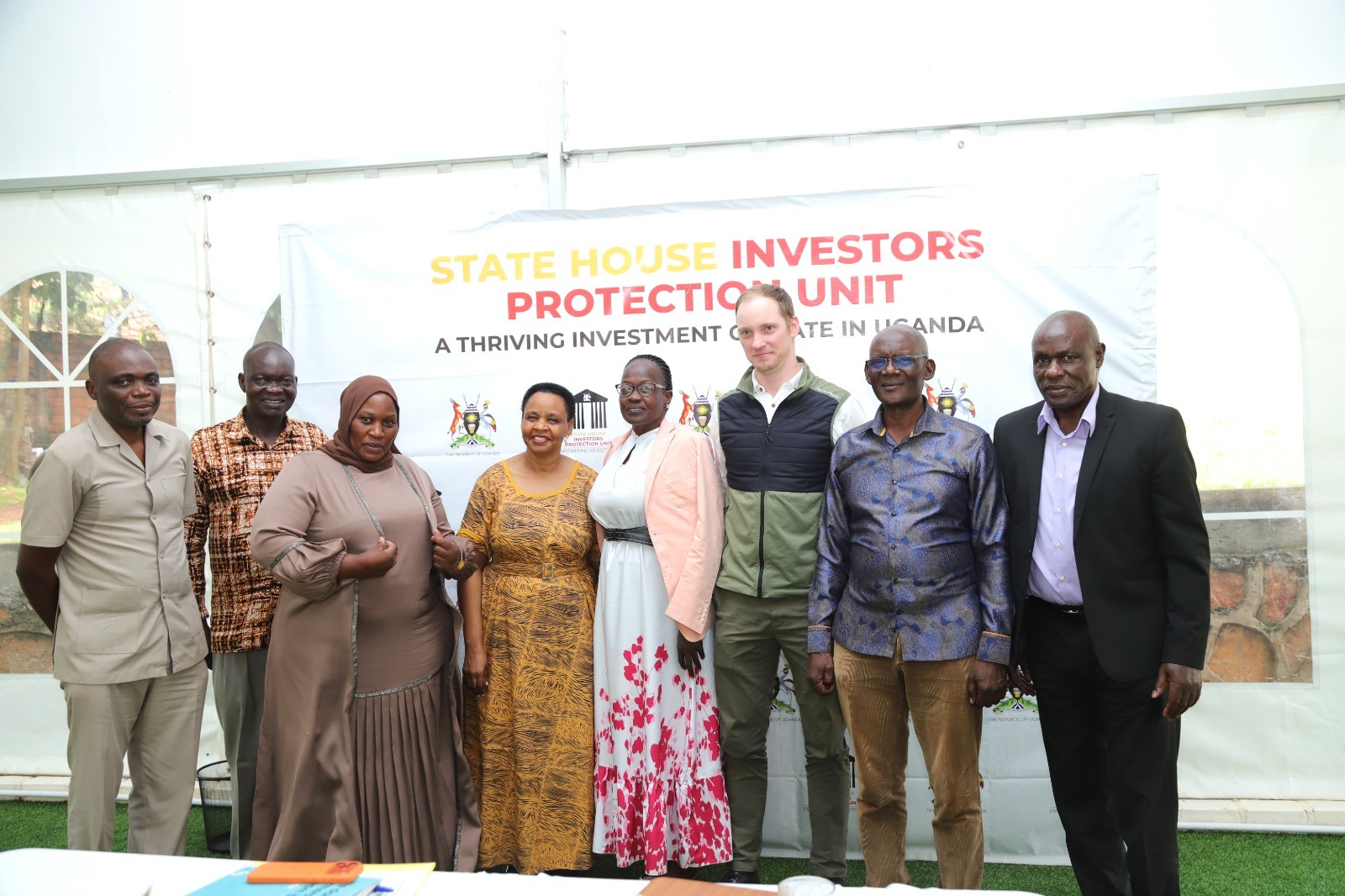
The consultations were led by Col. Edith Nakalema, who met Martin Vali, an Estonian investor associated with EHT Engineering and DIIT Engineering, on 27th October 2026, to explore the proposed project and identify the requirements for its implementation.
According to the State House Investors Protection Unit (SHIPU), the meeting focused on coordinating relevant ministries, departments and agencies (MDAs) to assess the project’s feasibility, availability of raw materials and infrastructure requirements.
The engagement is also intended to address investor concerns, clarify regulatory requirements and provide the information needed to support informed investment decisions while safeguarding investors’ interests.
The proposed technology seeks to improve soil fertility, combat soil degradation and erosion, and provide Ugandan farmers with more affordable soil conditioners.
Sapropel, which accumulates in lake sediments and contains organic matter, can be processed for agricultural applications, including soil improvement, depending on its composition and suitability.
The initiative could offer an alternative approach to improving soil health, particularly as farmers face challenges associated with declining soil fertility and land degradation.
However, the project’s viability will depend on technical assessments, the availability and quality of sapropel, environmental considerations and the infrastructure required to process and distribute the resulting products.
SHIPU reaffirmed its commitment to coordinating relevant stakeholders to create a secure and supportive investment climate in Uganda.
The consultations mark an initial step towards assessing the proposed investment, with further engagement among the relevant government agencies expected to help establish the project’s feasibility and applicable regulatory requirements.