Climate change could fuel spread of infectious diseases in Uganda, health ministry warns
Climate change can affect human health by changing the distribution of mosquitoes, ticks and other disease vectors, disrupting water and sanitation systems, and increasing exposure to disease-causing organisms.
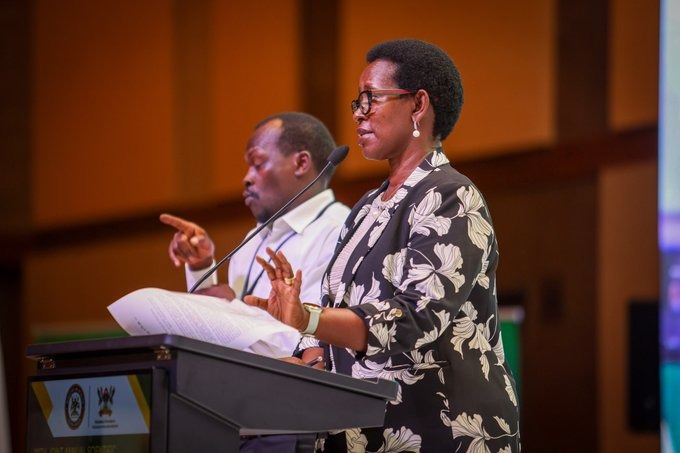
Uganda must strengthen disease surveillance, prevention and healthcare systems to respond to the growing threat of infectious diseases linked to climate change, the Ministry of Health Permanent Secretary, Dr Diana Atwine, has warned.
Atwine said changing climatic conditions could contribute to the emergence and spread of infectious diseases, calling for coordinated action across government institutions, academia, the private sector and communities to protect public health.
She made the remarks at the 20th Joint Annual Scientific Health Conference and the 2nd Annual Communicable and Non-Communicable Diseases Conference 2026, held at Speke Resort Munyonyo.
The conference brought together health sector stakeholders to discuss evidence-based interventions for addressing Uganda’s disease burden and improving healthcare delivery.
Atwine warned that climate change presents an additional challenge to disease prevention, as changing temperatures, rainfall patterns and extreme weather events can alter the conditions in which disease-causing organisms and disease-carrying vectors survive and spread.
“Climate change could contribute to the emergence and spread of infectious diseases,” she said, urging stakeholders to strengthen systems for preventing, detecting and managing health threats.
How climate change can spread infectious diseases
Climate change can affect human health by changing the distribution of mosquitoes, ticks and other disease vectors, disrupting water and sanitation systems, and increasing exposure to disease-causing organisms.
Warmer temperatures and changes in rainfall can create favourable breeding conditions for mosquitoes, potentially affecting the transmission of malaria and other mosquito-borne diseases in areas where the necessary environmental conditions exist.
Flooding can contaminate drinking water sources with human and animal waste, increasing the risk of waterborne diseases such as cholera and other diarrhoeal infections. Prolonged droughts can also force communities to rely on unsafe water sources, while water shortages may compromise hygiene and sanitation.
Extreme weather events, including floods and storms, can damage health facilities, disrupt vaccination campaigns and interrupt access to essential medicines. When communities are displaced, overcrowded living conditions and disrupted healthcare services can further increase their vulnerability to infectious diseases.
Changes in temperature and humidity may also influence the survival and geographical distribution of certain pathogens. However, the impact varies by disease and location, and climate change does not automatically cause an outbreak. Factors such as sanitation, population movement, land use, housing and the strength of public health systems also influence transmission.
For Uganda, these risks make climate-informed disease surveillance and emergency preparedness increasingly important, particularly in communities vulnerable to flooding, drought and changing patterns of vector-borne diseases.
Strengthening prevention and early detection
Atwine said Uganda must prioritise prevention and early diagnosis to reduce avoidable illness and deaths.
She urged stakeholders to invest in proven interventions, including childhood immunisation, the hepatitis B birth dose, HIV prevention and malaria control, alongside screening for non-communicable diseases such as cancer, hypertension and diabetes.
She also called for stronger public education and household-level interventions, emphasising that disease prevention should begin within communities rather than depend solely on treatment in health facilities.
In the context of climate-sensitive infectious diseases, such interventions need to be complemented by reliable disease surveillance, safe water supplies, improved sanitation and early warning systems capable of detecting changes in disease patterns.
Closer collaboration between health authorities, environmental agencies, meteorological services and local governments could help identify emerging risks and guide timely responses to outbreaks.
Drug resistance adds to the health challenge
The Permanent Secretary also raised concern about growing resistance to medicines used to treat malaria, tuberculosis and HIV.
She called for greater investment in research and innovation to identify effective treatments and improve disease management.
Drug resistance can make infections more difficult to treat and control, increasing the importance of appropriate medicine use, reliable diagnostics, continued research and effective monitoring of treatment outcomes.
Atwine urged government institutions to allocate more resources to primary healthcare and community-level interventions, while promoting healthy lifestyles, better nutrition, physical activity and routine medical check-ups.
She also called for workplace wellness programmes and policies that encourage healthier diets, reduce excessive salt consumption and support early screening for conditions such as sickle cell disease.
Research and cross-sector cooperation critical
Atwine emphasised that addressing Uganda’s health challenges requires government institutions and other stakeholders to align their plans and investments with national priorities.
She identified scientific research as essential for determining which interventions deliver the greatest health benefits and economic returns.
For climate-related health risks, this includes improving understanding of how environmental changes affect disease patterns, identifying vulnerable populations and ensuring that public health responses are guided by reliable evidence.
She urged conference participants to translate scientific findings into practical policies, funded interventions and action that improves the health and well-being of Ugandans.
Atwine said a healthy population is essential to productivity and the country’s Tenfold Growth ambition.
As climate change continues to place pressure on health and environmental systems, integrating climate considerations into disease prevention and healthcare planning will be important in helping Uganda anticipate emerging threats, protect vulnerable communities and build a more resilient health system.